How to Write a Business Letter: Format, Tips, and Templates
Contents:
- Problem Statement
- Why Solve It
- Step-by-Step Solution
- Common Mistakes to Avoid
- Personal Anecdote
- Examples
- Business Letter Templates by Purpose
- Troubleshooting
- FAQ
- Do business letters still need to be mailed physically?
- How long should a business letter be?
- What’s the proper way to close a formal business letter?
The cursor blinks on a blank document at 9 a.m., a half-written subject line staring back, as someone tries to remember whether a formal business letter still needs a physical mailing address header in an era of email.
Problem Statement
Many professionals default to casual email formatting even for genuinely formal correspondence, like reference letters or official complaints, missing the credibility that proper business letter formatting still provides.
Why Solve It
A properly formatted business letter signals professionalism and attention to detail, particularly important for situations like formal complaints, reference letters, or official requests where credibility genuinely matters to the outcome.
Step-by-Step Solution
Start with your address and date in the upper right or left corner, followed by the recipient’s name, title, and address on the left, even for digital correspondence, since this format remains the professional standard.
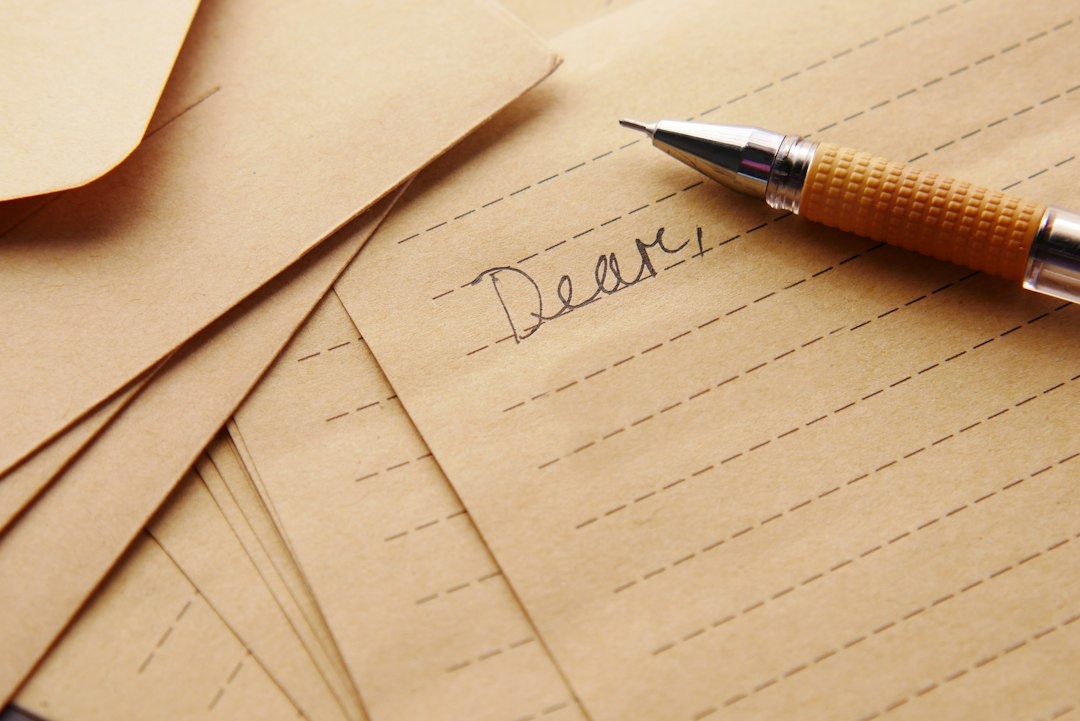
Use a formal salutation like “Dear Mr. Johnson” rather than casual greetings, and if the recipient’s name is unknown, “Dear Hiring Manager” or “To Whom It May Concern” remains acceptable, though researching the actual name is always preferable.
Structure the body in three clear paragraphs: state your purpose immediately in the first paragraph, provide supporting details in the second, and close with a clear call to action or next step in the third.
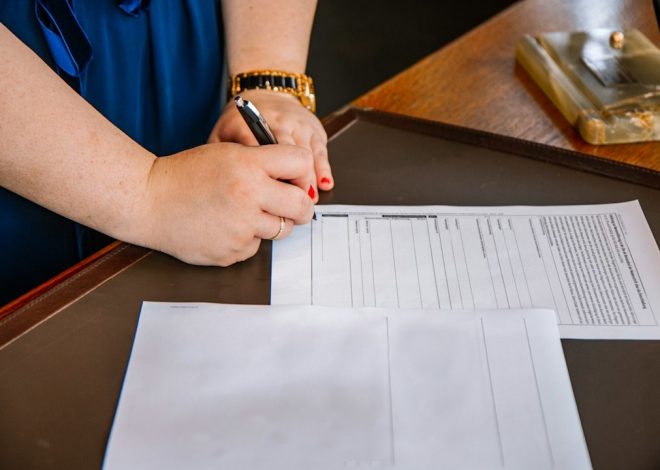
End with a formal closing like “Sincerely” or “Best regards,” followed by your typed name and, for physical letters, a signature above the typed name.
Common Mistakes to Avoid
- Using overly casual language inconsistent with the formal format
- Burying the main request or purpose in the middle of the letter rather than stating it upfront
- Forgetting to proofread for the recipient’s correct name and title
Personal Anecdote
A small business owner in Tulsa nearly lost a vendor dispute until switching from an informal email to a properly formatted business letter outlining the specific contract breach, which the vendor’s legal team took noticeably more seriously.
Examples
A formal complaint letter might open: “I am writing to formally request resolution of an unpaid invoice, number 4521, dated March 3, 2026, totaling $2,400, which remains outstanding sixty days past the agreed payment terms.”
Business Letter Templates by Purpose
Cover letters emphasize specific qualifications matched to a job posting. Complaint letters state the issue, desired resolution, and a reasonable deadline. Reference letters detail specific examples of the person’s skills and character rather than generic praise.
Troubleshooting
If a formal letter goes unanswered after two weeks, a polite follow-up referencing the original letter’s date and content, sent through the same formal channel, typically prompts a response more effectively than switching to an informal email.
FAQ
Do business letters still need to be mailed physically?
Not necessarily; email remains acceptable for most business correspondence, though formal legal or official matters sometimes still warrant physical mail for documented delivery.
How long should a business letter be?
Most effective business letters stay under one page, with three to four focused paragraphs communicating the essential message clearly.
What’s the proper way to close a formal business letter?
“Sincerely” remains the safest standard closing, while “Best regards” works for slightly less formal but still professional correspondence.