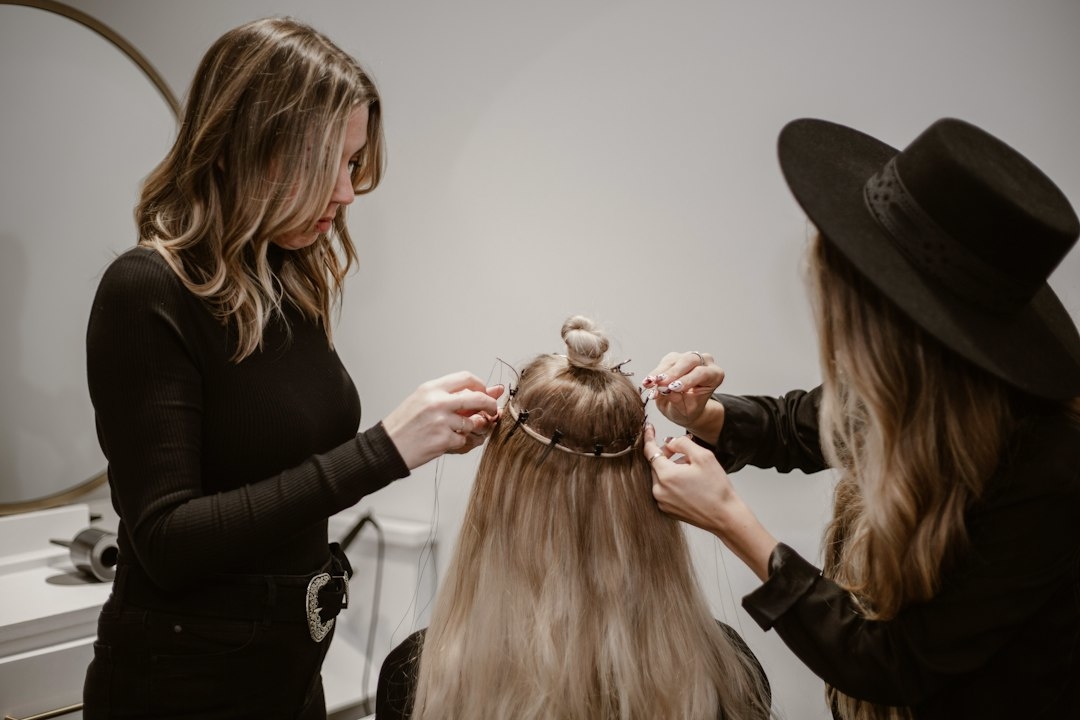
How to Start a Hair Extension Business Online
Contents:
- Overview of the End Result
- What You’ll Need
- Step 1: Find a Reliable Hair Supplier
- Step 2: Set Up Your Online Store
- Step 3: Price Your Products Strategically
- Step 4: Build Content Around Real Customer Results
- Step 5: Establish Customer Service Standards
- Sustainability Angle
- Personal Anecdote
- Common Mistakes to Avoid
- FAQ
- How much does it cost to start a hair extension business?
- Do I need specific licensing to sell hair extensions online?
- What’s the biggest challenge new hair extension businesses face?
- Next Steps
A stylist scrolls through supplier catalogs late at night, comparing virgin remy hair bundles from a dozen different vendors, trying to determine which one will actually let her build a legitimate business rather than a hobby that quietly drains her savings.
Overview of the End Result
Starting a hair extension business online means sourcing quality hair products, building an e-commerce presence, and establishing a marketing strategy that converts browsers into repeat customers in a genuinely competitive market.
What You’ll Need
- A reliable wholesale hair supplier, either domestic or international
- An e-commerce platform like Shopify to manage sales
- Initial inventory investment, typically $1,500 to $5,000
- A social media content strategy showcasing your products
Step 1: Find a Reliable Hair Supplier
Research suppliers thoroughly, ordering sample bundles before committing to bulk inventory, since hair quality varies enormously between vendors despite similar marketing claims and pricing.
Step 2: Set Up Your Online Store
Build your Shopify or WooCommerce store with clear product photography, detailed descriptions of hair type and length options, and transparent pricing, since extension buyers research carefully before purchasing.
Step 3: Price Your Products Strategically
Calculate your total cost including wholesale price, shipping, and packaging, then apply a 100% to 150% markup, typical for the hair extension industry to maintain sustainable margins after marketing costs.
Step 4: Build Content Around Real Customer Results
Instagram and TikTok content showing genuine before-and-after transformations consistently outperforms generic product photos, since potential buyers want proof the product delivers real results.
Step 5: Establish Customer Service Standards
Extensions carry higher return and complaint rates than many products due to color matching and quality expectations, making clear return policies and responsive customer service essential for reputation protection.
Sustainability Angle

Sourcing from suppliers with transparent, ethical hair collection practices, rather than unclear origin claims, increasingly matters to conscious consumers and can serve as a genuine differentiator in marketing.
Personal Anecdote
A hair extension business owner in Houston built her initial customer base entirely through TikTok tutorials demonstrating proper application techniques, generating organic reach that paid advertising alone couldn’t match in her first six months.
Common Mistakes to Avoid
- Ordering large inventory before testing samples for actual quality
- Underestimating the customer education needed around proper extension care
- Competing purely on price rather than differentiating through quality and service
FAQ
How much does it cost to start a hair extension business?
Initial startup costs typically range from $2,000 to $6,000, covering sample orders, initial inventory, and basic e-commerce setup.
Do I need specific licensing to sell hair extensions online?
Standard business licensing applies, though no specialized cosmetology license is typically required simply to sell extensions, as opposed to applying them professionally.
What’s the biggest challenge new hair extension businesses face?
Standing out in a saturated market typically proves harder than sourcing quality product, making genuine brand differentiation essential from the start.
Next Steps
Start with a smaller initial inventory investment focused on your best-performing hair type and length, expanding your catalog only once you’ve validated genuine demand through actual sales.