How to Start a Carpentry Business
Contents:
- Brief Intro
- Preparation
- Step 1: Determine Your Carpentry Specialty
- Step 2: Secure Proper Licensing and Insurance
- Step 3: Invest in Essential Tools Strategically
- Step 4: Price Your Work for Genuine Profitability
- Sustainability Angle
- Personal Anecdote
- Step 5: Build Your Client Base
- Pro Tips
- FAQ
- Do I need a license to work as a carpenter?
- How much can a carpentry business realistically earn?
- What’s the biggest startup expense for a carpentry business?
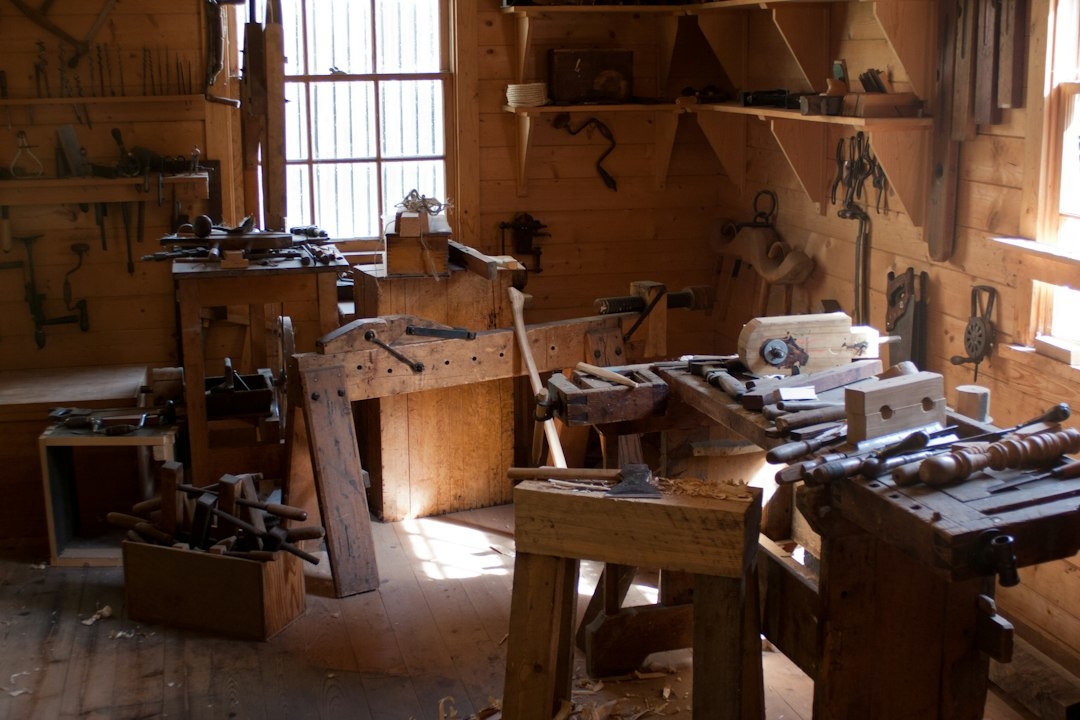
Sawdust hangs in the afternoon light of a converted garage workshop, the smell of fresh-cut pine mixing with machine oil, as a skilled tradesman finally decides the custom furniture pieces he’s built for friends deserve to become an actual business.
Brief Intro
Starting a carpentry business means transforming genuine woodworking skill into a legally structured, properly priced operation capable of sustaining consistent income rather than sporadic side project income.
Preparation
Verify your state’s specific contractor licensing requirements for carpentry work, since some states require formal licensing for structural work while allowing unlicensed operation for furniture-making and finish carpentry.
Step 1: Determine Your Carpentry Specialty
Decide whether you’ll focus on custom furniture, home renovation carpentry, cabinetry, or structural framing, since each requires different tools, licensing, and marketing approaches to reach the right clients.
Step 2: Secure Proper Licensing and Insurance
Obtain general liability insurance, typically $500 to $1,500 annually, and any required contractor licensing, particularly important if your work involves structural elements or larger renovation projects.
Step 3: Invest in Essential Tools Strategically
Prioritize quality tools for your specific specialty rather than purchasing every possible tool upfront; a table saw, miter saw, and basic hand tools cover most furniture and finish carpentry needs initially.
Step 4: Price Your Work for Genuine Profitability
Calculate material costs, labor time, and overhead, then apply pricing that accounts for your actual skilled labor value, typically $40 to $90 hourly depending on region and specialization.
Sustainability Angle
Sourcing reclaimed or sustainably certified lumber increasingly appeals to environmentally conscious clients, and many carpenters now market this sourcing specifically as a meaningful differentiator worth a modest price premium.
Personal Anecdote
A carpenter in Asheville built his initial client base entirely through Instagram, documenting the full build process of custom furniture pieces, which attracted clients specifically drawn to his craftsmanship transparency rather than generic advertising.
Step 5: Build Your Client Base
Start with smaller projects for friends and local referrals, documenting completed work thoroughly for a portfolio that demonstrates quality before pursuing larger renovation or commercial carpentry contracts.
Pro Tips
Join local homebuilder associations and attend home renovation trade shows, since these connections often generate steadier referral business than direct consumer marketing alone for skilled trade services.
FAQ
Do I need a license to work as a carpenter?
Licensing requirements vary significantly by state; some require formal contractor licensing for structural work while allowing unlicensed finish carpentry and furniture-making.
How much can a carpentry business realistically earn?
Established carpentry businesses with consistent client flow typically generate $50,000 to $120,000 annually, varying significantly based on specialization and regional pricing.
What’s the biggest startup expense for a carpentry business?
Quality tools typically represent the largest initial investment, often $3,000 to $10,000 for a well-equipped starting shop depending on specialization.