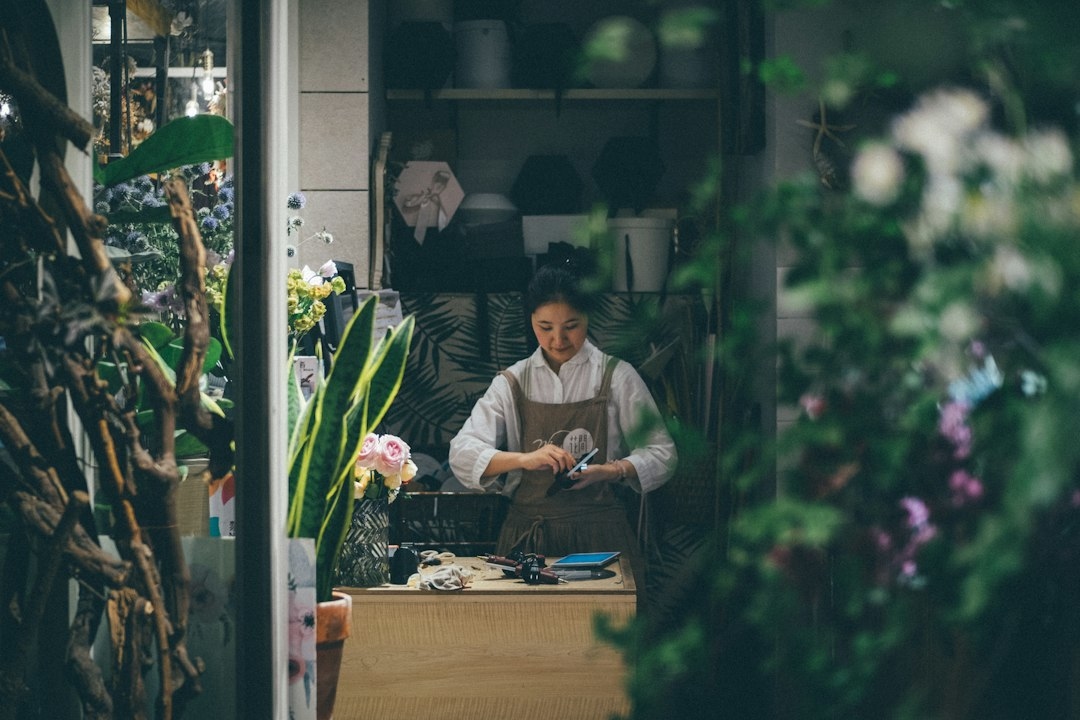
How to Start a Flower Business From Home
Contents:
- Brief Intro
- Preparation
- Step 1: Master Core Floral Skills
- Step 2: Establish Flower Sourcing Relationships
- What the Pros Know
- Step 3: Price for Genuine Profitability
- Step 4: Build Sales Channels
- Seasonal Timeline Consideration
- Personal Anecdote
- Step 5: Handle Delivery and Fulfillment Logistics
- FAQ
- Do I need a special license to sell flowers from home?
- How much can a home-based flower business realistically earn?
- Where should I source flowers as a new home-based business?
Flower selling has operated as a home-based trade since long before modern florist shops existed, when local growers sold directly from their own gardens at community markets rather than through formal retail storefronts.
Brief Intro
Starting a flower business from home eliminates the substantial overhead of a retail storefront, letting new florists build skills and clientele with significantly lower initial financial risk.
Preparation
Check your local zoning and home business regulations before launching, since some municipalities restrict commercial activity from residential properties, particularly if regular customer visits are involved.
Step 1: Master Core Floral Skills
Practice fundamental arrangement techniques, proper stem conditioning, and color theory before taking paying orders, since consistent quality directly drives repeat business and referrals in this visually judged industry.
Step 2: Establish Flower Sourcing Relationships
Build relationships with wholesale flower markets or local flower farms, which typically offer significantly better freshness and pricing than retail garden centers intended for individual consumer purchases.
What the Pros Know
Established home-based florists recommend starting with a narrow specialty, like bridal bouquets or sympathy arrangements, rather than attempting to serve every occasion, since specialization builds stronger reputation and referral networks faster.
Step 3: Price for Genuine Profitability
Calculate costs including flowers, materials, and your time honestly, then apply a 200% to 300% markup over material costs, standard in the floral industry to maintain sustainable profit margins.
Step 4: Build Sales Channels
Instagram showcasing your work, local wedding vendor partnerships, and farmers market appearances all provide low-cost entry points before considering a dedicated e-commerce site with online ordering capability.

Seasonal Timeline Consideration
Wedding season, typically May through October, generates the highest demand and pricing power for floral businesses, making early spring the ideal time to build your portfolio and secure bookings for the coming season.
Personal Anecdote
A home-based florist in Nashville built her entire wedding business through Instagram, posting weekly behind-the-scenes content that attracted engaged couples directly without any paid advertising during her first two years.
Step 5: Handle Delivery and Fulfillment Logistics
Decide whether you’ll personally deliver arrangements or require customer pickup, since delivery significantly expands your potential customer radius but adds real time and vehicle cost considerations.
FAQ
Do I need a special license to sell flowers from home?
Requirements vary by state and city, though flower businesses generally face fewer restrictions than food-based home businesses; verify your specific local zoning regulations before launching.
How much can a home-based flower business realistically earn?
Part-time operations focused on weddings can generate $2,000 to $5,000 per event during peak season, while regular weekly bouquet sales typically add $500 to $1,500 in additional monthly revenue.
Where should I source flowers as a new home-based business?
Local wholesale flower markets, when accessible, typically offer the best combination of freshness and pricing for growing a home-based floral business.